Background
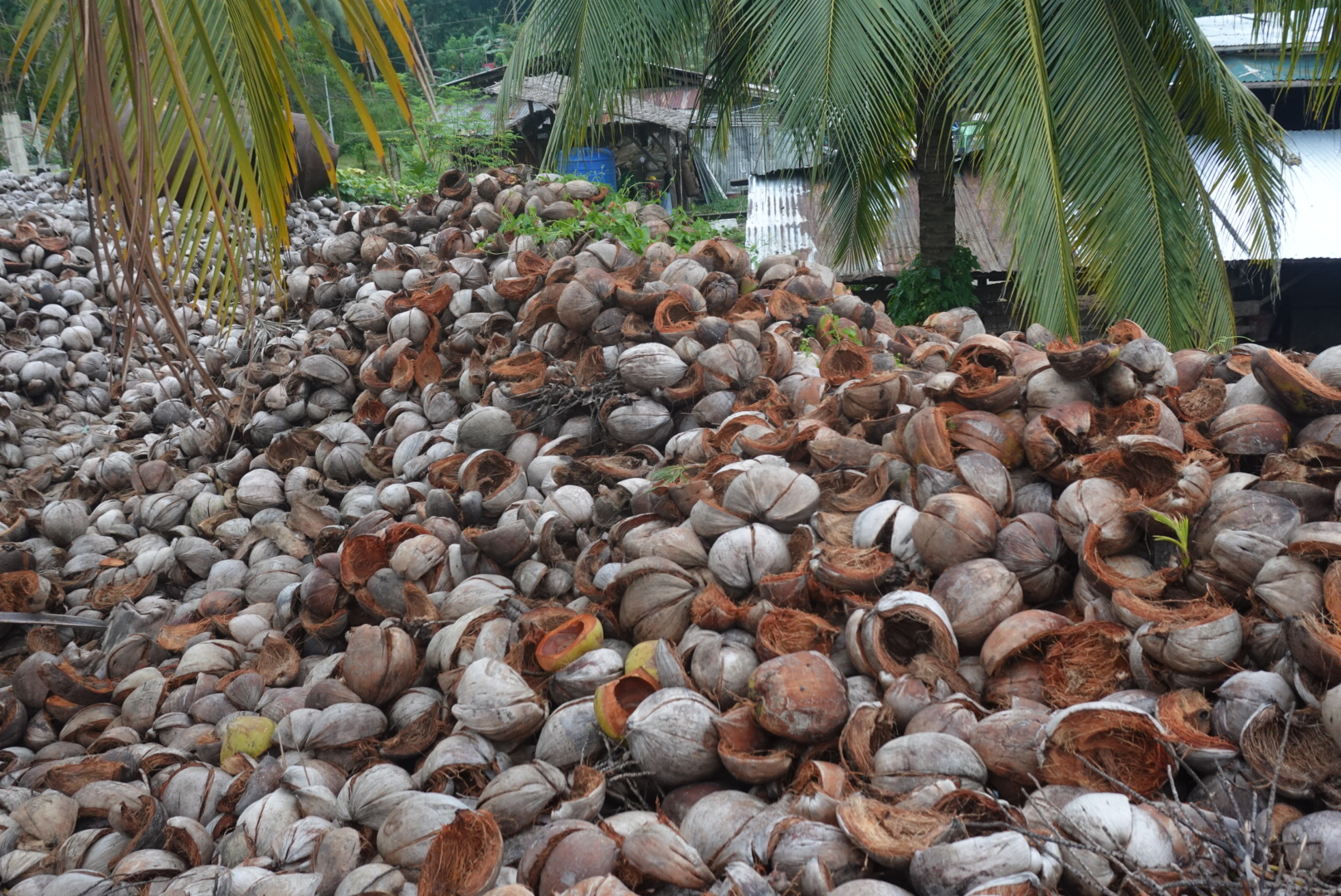
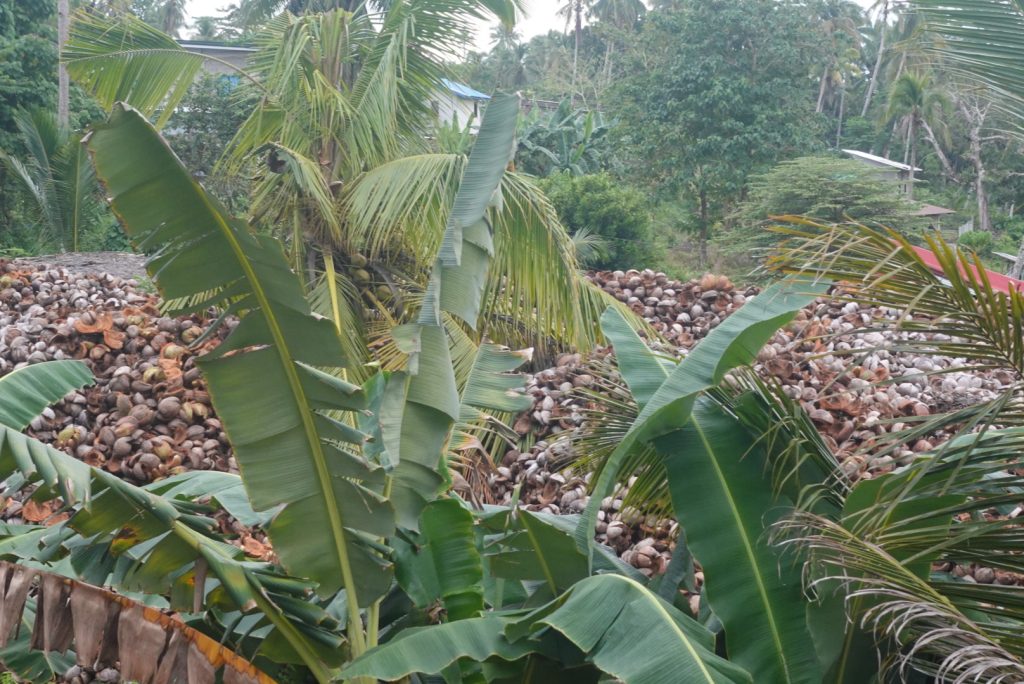
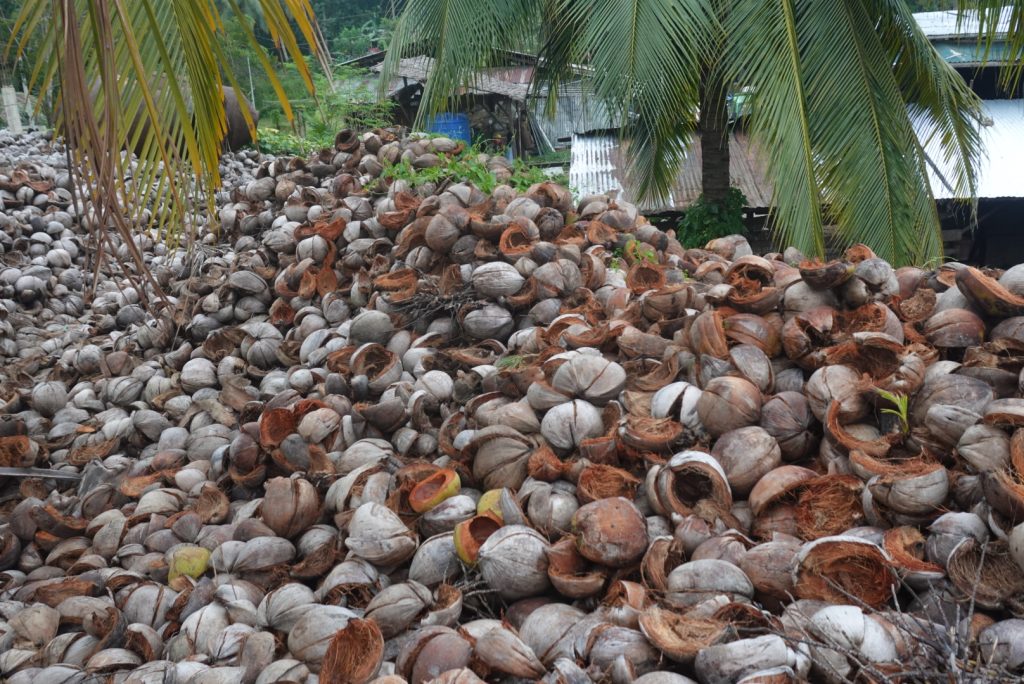
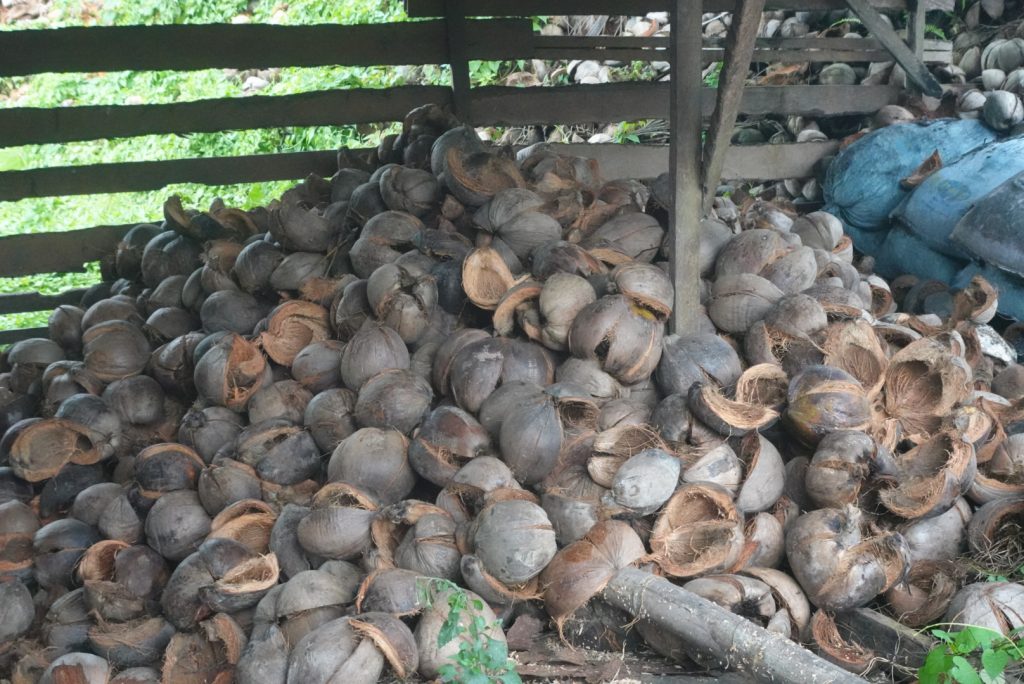
In the province of Zamboanga Sibugay, Philippines, farming serves as one of the primary sources of livelihood for the local community. With the growing national concern over food safety, farmers have been increasingly encouraged to adopt organic farming practices. Given the abundance of coconut trees across the Zamboanga Peninsula, a valuable opportunity arises to transform coconut husks—which are typically considered waste products from copra production—into coco peat, a material with significant agricultural and commercial value.
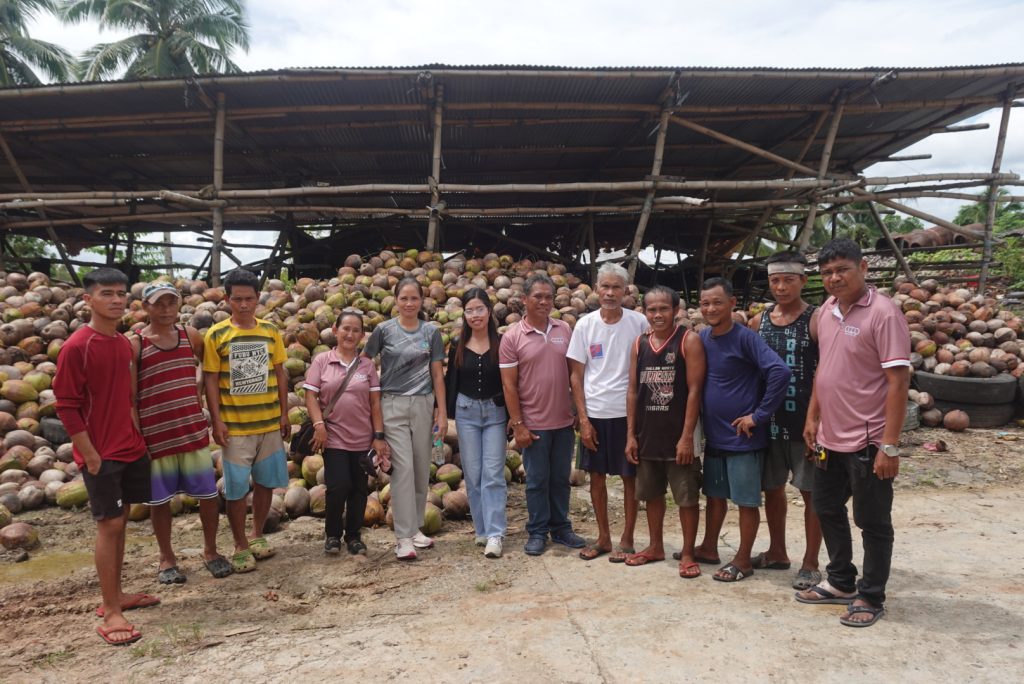
The Alicia Neighborhood Multi-Purpose Cooperative (ALNEMPCO), located in Sotto St., Poblacion, Alicia, Zamboanga Sibugay, recognizes this opportunity and seeks to maximize it. With nearly 2,404 farmer-members, the cooperative aims to process not only its members’ coconut husks but also those collected from nearby municipalities. Through this initiative, ALNEMPCO targets the production of approximately 600 bags of coco peat every 45 days of operation.
Furthermore, through the implementation of the Asia-Pacific Farmers’ Program (APFP) – Support to Farmers’ Organizations for Asia (FO4A), ALNEMPCO received a working capital grant of Php 300,000 (around USD 5000), enabling it to expand its operations and strengthen its value-adding initiatives. The APFP-FO4A program is implemented by the Asian Farmers’ Association for Sustainable Rural Development (AFA) and La Via Campesina (LVC), with funding from the European Union (EU) and the International Fund for Agricultural Development (IFAD). The program aims to strengthen the capacities of farmers’ organizations to provide economic services, advocate for enabling policies, and promote sustainable livelihoods for small-scale family farmers across Asia.
Innovations/Good Practices
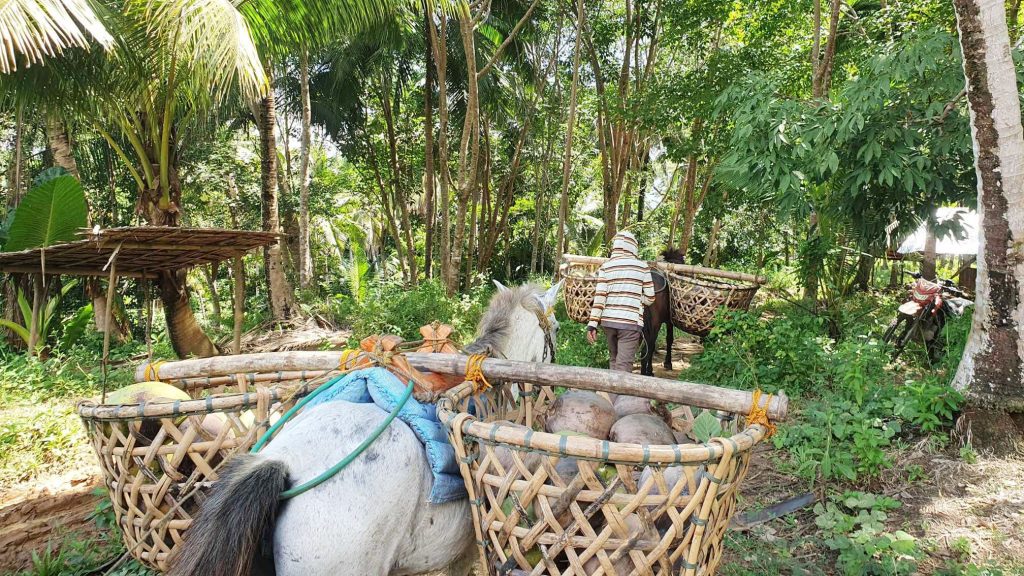
ALNEMPCO’s coco peat and coco fiber production has incorporated several innovative approaches and commendable practices that significantly contribute to its success. At the cooperative level, ALNEMPCO has adopted a free trucking service strategy to attract a broader market of whole-nut suppliers within the municipality of Alicia. For suppliers located in nearby municipalities, a minimal fee is charged for transportation, still at a considerably lower cost than prevailing market rates.
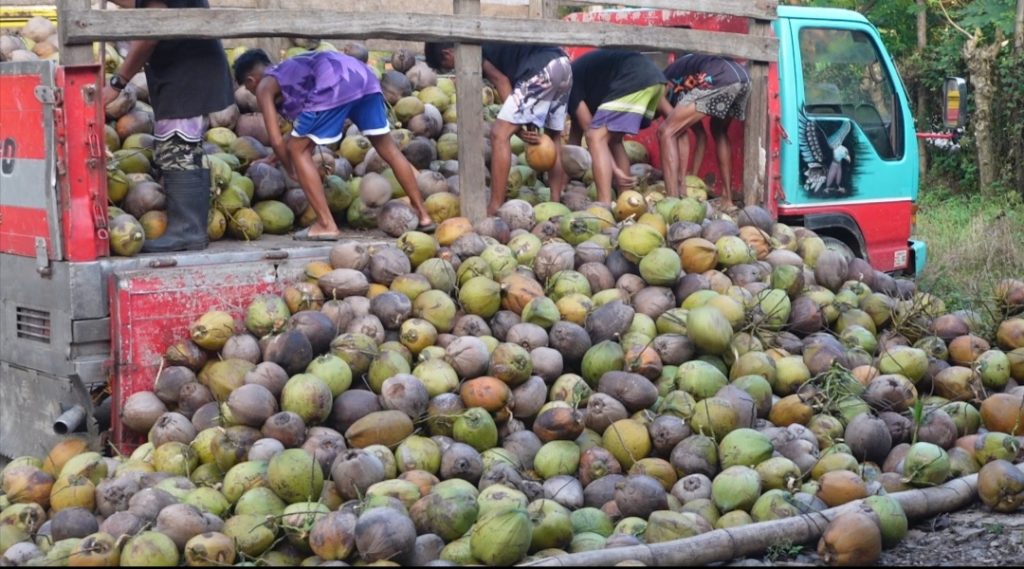
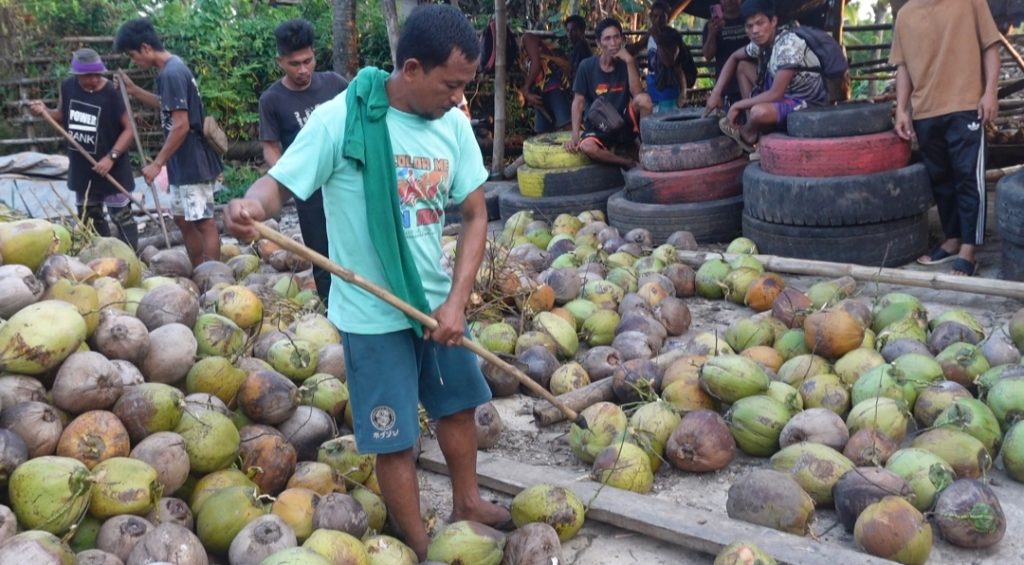
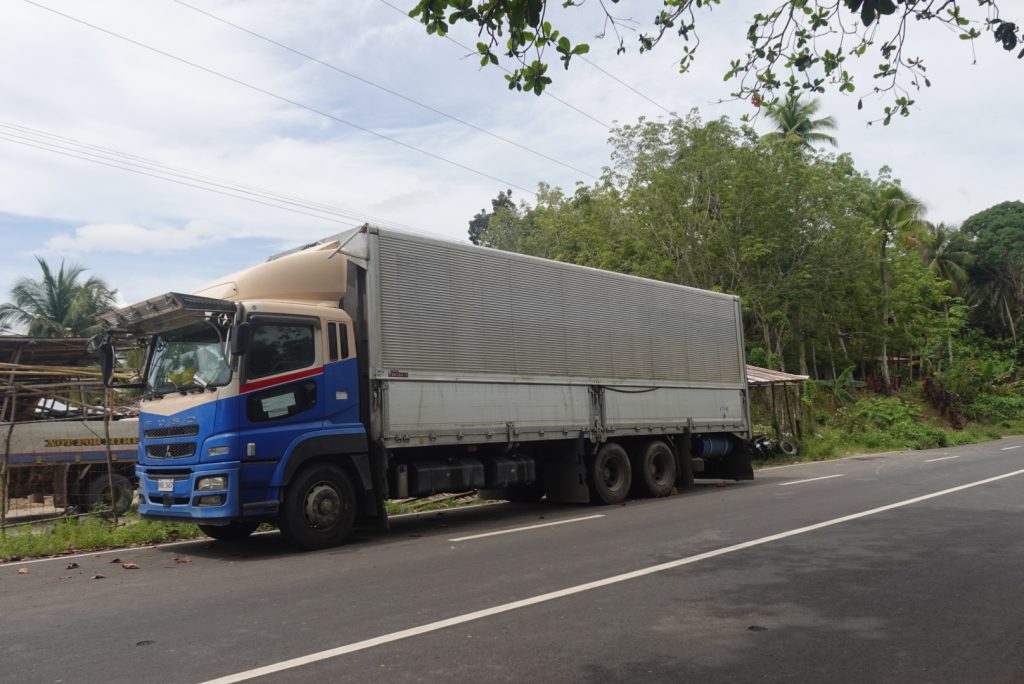
According to Jen, the compliance officer and project coordinator of ALNEMPCO, many coconut farmers in their community prefer selling their whole nuts directly to ALNEMPCO rather than processing them into copra, primarily because of the increasing labor costs associated with copra production—from harvesting to selling. The cooperative also offers a fair and competitive price for whole nuts, which further incentivizes farmers to supply their products to ALNEMPCO.
In addition, ALNEMPCO maximizes the use of social media platforms to reach a wider network of both suppliers and buyers of coco peat and coco fiber. This online presence has allowed them to expand their market visibility and create stronger linkages beyond their locality.
Equally important, the cooperative actively promotes organic farming practices in support of the agroecology campaign and local policy implemented within their municipality. Jen emphasized that organic farming is not only more affordable compared to the use of synthetic fertilizers, but it also contributes to soil health, environmental conservation, and sustainable food production. Coco peat and coco fiber—both by-products of coconut husks—are essential components in the production of organic fertilizers, which ALNEMPCO sells to both members and non-members at affordable prices.
By transforming what is commonly regarded as agricultural waste into valuable materials, the cooperative exemplifies the principle of “creating something meaningful out of nothing.” Moreover, members of ALNEMPCO are encouraged, and in some cases required, to practice organic farming as a way to serve as role models for other farmers in their community.
Impact
The impact of ALNEMPCO’s good practices and innovations is evident primarily in the improvement of the cooperative’s operations and the livelihoods of its member-farmers. The production of coco peat and coco fiber has diversified the cooperative’s sources of income. Beyond traditional coconut by-products such as copra (from coconut meat) and charcoal (from coconut shells), ALNEMPCO has successfully transformed coconut husks into marketable and high-value commodities.
These products are sold to farmers at affordable prices, allowing them to combine coco peat with animal manure and other organic components to create natural fertilizers. According to Jen, this practice has significantly benefited both farmers and the wider community of Alicia. It has contributed to an improved quality of life, particularly through enhanced food security, as organic farming ensures safer food production free from harmful chemical inputs.
Furthermore, the low cost of organic inputs has allowed farmers to reduce their farm production expenses, enabling them to allocate more of their household income toward family consumption and their children’s education. From an environmental perspective, the continued use of organic fertilizers has helped restore and preserve soil nutrients, supporting sustainable and regenerative agricultural practices.
At the individual level, Jen observed that adopting natural farming methods has led to improved crop performance and increased income. She shared that her coconut and fruit-bearing trees have recovered from soil depletion and disease, which are conditions previously caused by the long-term use of synthetic fertilizers. This positive experience has not only inspired her family but also encouraged other farmers in the community to adopt similar sustainable farming practices. Jen, 52, is also an active farmer-member since 2016, in addition to being an employee of the cooperative. She is engaged in coconut and rice farming, as well as small-scale backyard livestock production involving chickens and pigs and has over fifteen (15) years of farming experience. She joined the cooperative with a hope that it could provide financial assistance for her farm production and also because it offers savings and credit services to its members.
Furthermore, the cooperative’s free trucking services and active use of social media platforms have expanded ALNEMPCO’s market reach, enabling it to secure more suppliers and buyers. These efforts directly contributed to increased sales and overall profitability.
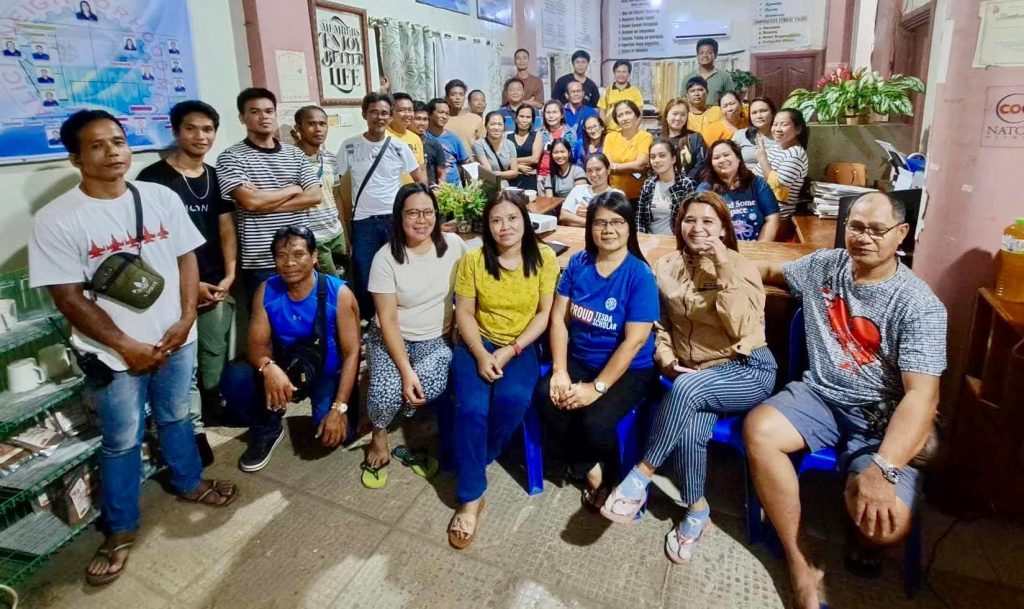
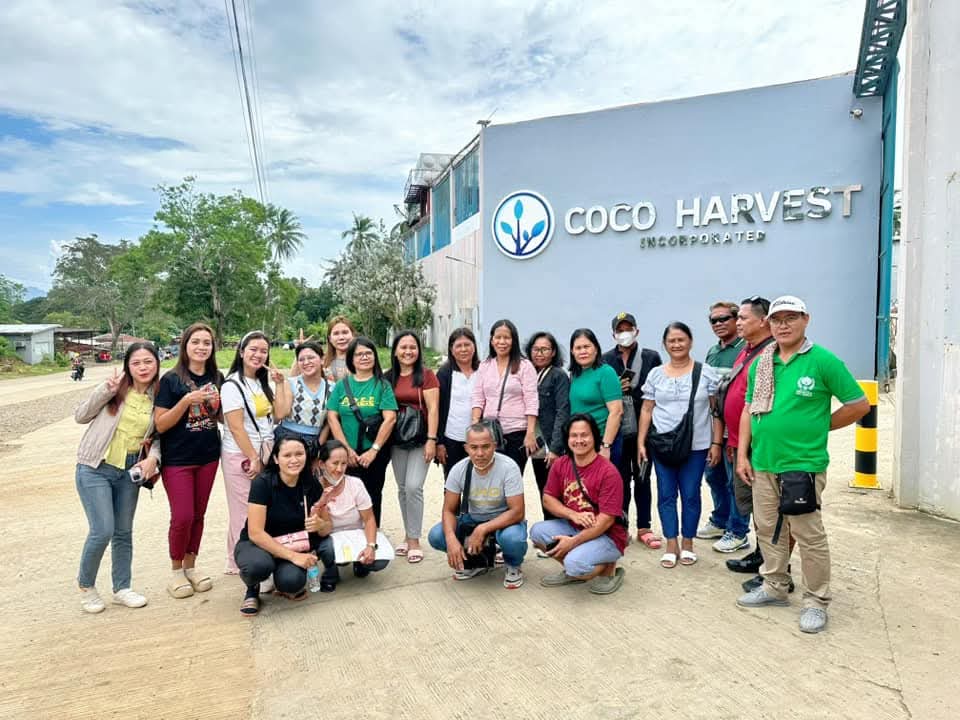
The Municipality of Alicia, Zamboanga Sibugay has recently implemented a local policy mandating that all farming activities within its jurisdiction be conducted using natural and organic methods. The use of chemical-based and synthetic farm inputs is strongly discouraged. This policy aligns closely with the operations of ALNEMPCO, whose production of coco peat and coco fiber has been highly supported and commended by the local government unit (LGU) for its contribution to sustainable and eco-friendly agricultural practices.
To further strengthen these initiatives, ALNEMPCO and its members have received continuous technical support and training from various government agencies. These include seminars on Good Agricultural Practices (GAP) and related topics facilitated by the Philippine Coconut Authority (PCA), the Department of Agriculture (DA), and the Agricultural Training Institute (ATI) of Zamboanga Sibugay Province. Such capacity-building programs have equipped the cooperative members with essential knowledge and skills to improve their farming systems and ensure compliance with organic standards.
At the individual level, Jen shared that she has personally gained substantial knowledge on organic farming through seminars conducted by the local government of Alicia since she previously worked at the LGU. She actively echoes and shares this learning with her fellow cooperative members and farmers in the community, promoting knowledge exchange and collective growth.
In addition to agricultural training, ALNEMPCO also provides its members with free financial literacy seminars. These aim to help members distinguish between needs and wants, manage their resources effectively, and set financial priorities, both for their households and for their farming enterprises. Through these initiatives, the cooperative not only enhances agricultural productivity but also fosters economic empowerment and responsible financial management among its members.
Facilitating factors and challenges
Like many other enterprises, ALNEMPCO has encountered numerous challenges and setbacks throughout the implementation and operation of its coco peat and coco fiber production. According to Jen, the cooperative initially struggled with insufficient facilities and limited capital during the early stages of the project. These constraints hampered production efficiency and limited their ability to meet growing market demands.
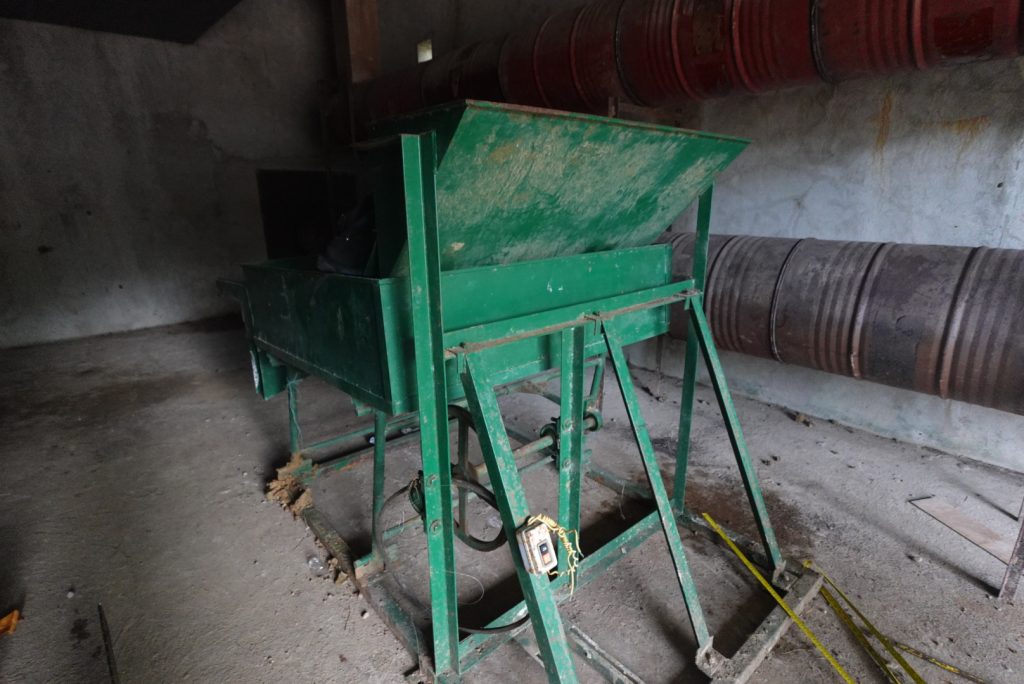
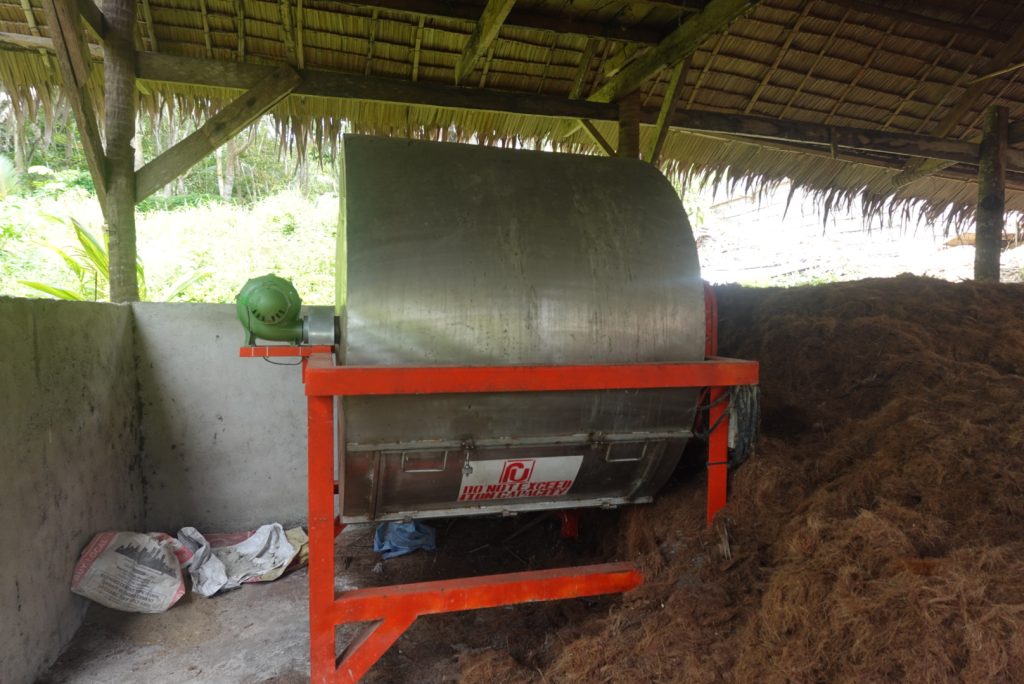
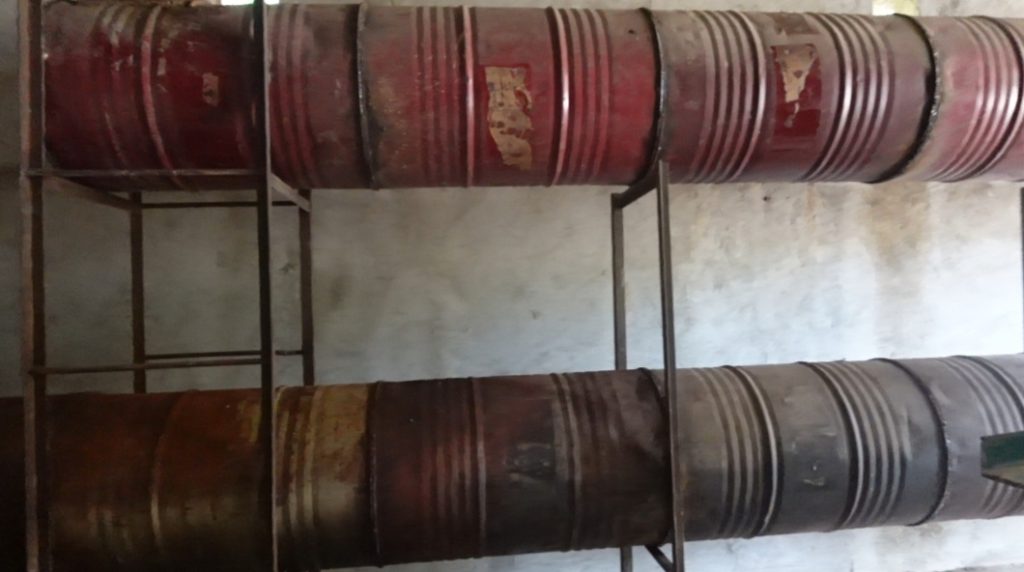
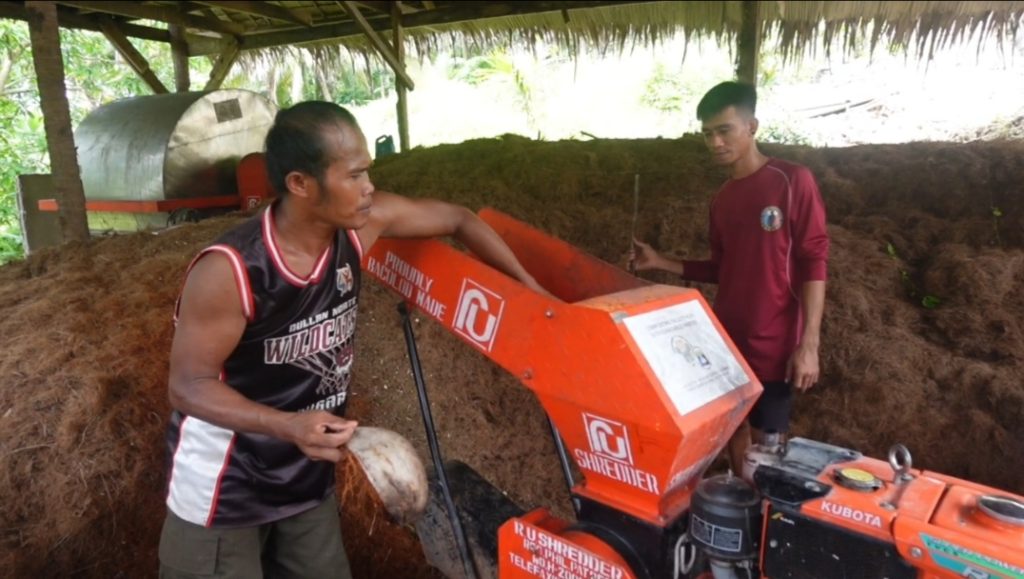
Fortunately, various government and non-government agencies extended assistance that proved vital in overcoming these initial barriers. The cooperative received machineries and equipment from institutions such as the Philippine Center for Postharvest Development and Mechanization (PhilMech), the Department of Agriculture (DA), the Philippine Coconut Authority (PCA), and the Department of Trade and Industry (DTI), among others. Moreover, the working capital fund provided by the APFP-FO4A program through the program’s national implementing agency, Kalipunan ng Maliliit na Magniniyog ng Pilipinas (KAMMPIL) and Federation of Free Farmers (FFF), in which ALNEMPCO is a member.
Another major challenge ALNEMPCO faced was market acceptance of their products. Many farmers in the municipality and the province were accustomed to using synthetic fertilizers and chemical inputs in their farming practices. Convincing them to transition to organic farming required consistent demonstration and advocacy. To address this, the cooperative modeled the practical application and benefits of agroecology and organic farming using coco peat and coco fiber. Initially, the adoption of these practices was limited to cooperative members, but over time, the positive results became evident to the wider community. This gradual influence encouraged more farmers to adopt sustainable methods, as seeing tangible proof of success was crucial in changing long-standing habits and beliefs.
The PCA also provided valuable support by purchasing large volumes of coco peat and coco fiber from ALNEMPCO and distributing them free of charge to farmers as part of their organic farming advocacy. This partnership not only helped expand the cooperative’s market but also strengthened local awareness and acceptance of organic agriculture.
At the individual level, Jen likewise encountered challenges in her own farming operations. One persistent issue was the rising cost of labor in copra production. To minimize expenses, she and other members decided to sell whole nuts directly to ALNEMPCO, reducing the need for intensive labor and processing time. Another significant challenge she faced was the senility of her coconut trees, which had become less productive due to age and soil degradation. A survey conducted by PCA confirmed this condition and subsequently provided her, along with other farmers, with free coconut seedlings of improved varieties suitable for replanting.
Lessons learned
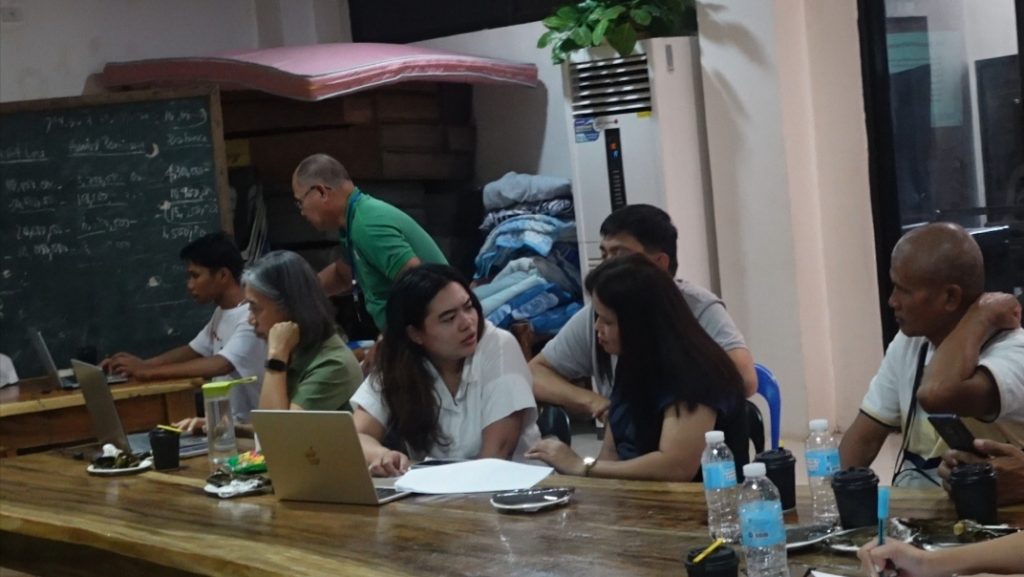
The implementation of ALNEMPCO’s coco peat and coco fiber production project highlights the critical role of partnerships and inter-agency collaboration in ensuring project success and sustainability. ALNEMPCO’s progress was made possible through the joint support of the APFP-FO4A program, KAMMPIL, FFF, and government agencies including PhilMech, DA, PCA, and the Department of Trade and Industry (DTI). Their collective assistance, particularly through the provision of working capital, trainings, and facilities enabled the cooperative to strengthen its operations, sustain production, and enhance its value-adding capacity.
ALNEMPCO’s experience also reinforces the importance of effective community engagement and demonstration-based advocacy in facilitating behavioral change among farmers. The shift from conventional to organic farming required persistent education and visible proof of success. By showcasing the benefits of agroecological methods and the use of coco peat and coco fiber as organic inputs, ALNEMPCO members became role models and catalysts of change in their community.
In addition, ALNEMPCO’s practice of offering free or low-cost trucking services and maintaining fair farm-gate pricing reflects a responsive and equitable approach to management, one that strengthens member participation and long-term loyalty.
Furthermore, continuous training and technical assistance from the DA, PCA, ATI, and other institutions have strengthened the cooperative’s technical know-how and financial management capabilities.
Recommendations
Building upon ALNEMPCO’s experience, several recommendations are proposed for development projects, government programs, and funding agencies such as IFAD and EU, and similar development-oriented institutions:
1. Sustain and expand funding support for value-adding enterprises. Beyond coco peat and coco fiber production, cooperatives like ALNEMPCO should be assisted in developing additional value-added products such as coco fiber-based vases, mats, ropes, brushes, and eco-friendly packaging materials. Targeted financial assistance, grants, and technical support will enable them to diversify their product lines, create more employment opportunities, and enhance market competitiveness.
2. Strengthen inter-agency coordination and policy alignment in promoting organic and sustainable farming. National and local governments should harmonize programs supporting agroecology and circular economy models, ensuring that cooperatives receive consistent assistance—from production inputs to market access.
3. Institutionalize capacity-building and innovation hubs for farmer cooperatives. Regular trainings on organic production, enterprise development, cooperative governance, and marketing should be complemented by mentorship and innovation labs where cooperatives can experiment with new technologies and product prototypes.
4. Enhance access to financing mechanisms for smallholder cooperatives. Establishing inclusive financing windows under government and donor-funded programs will enable organizations like ALNEMPCO to scale up production and pursue product diversification.
5. Support the development of market linkages and branding strategies for organic and coco-based products. Assistance in market research, packaging, certification, and participation in trade fairs or online marketing platforms will increase product visibility and ensure competitiveness in both local and export markets.
6. Promote participatory monitoring and evaluation systems to strengthen accountability, learning, and evidence-based decision-making at the cooperative level. Such mechanisms can guide adaptive management and ensure that interventions remain responsive to the needs of members and the community.
In essence, the ALNEMPCO case underscores that with strong institutional partnerships, continuous funding support, and empowered community participation, farmer cooperatives can transform agricultural waste into sustainable livelihood opportunities, advancing both rural development and environmental conservation
Related documentation