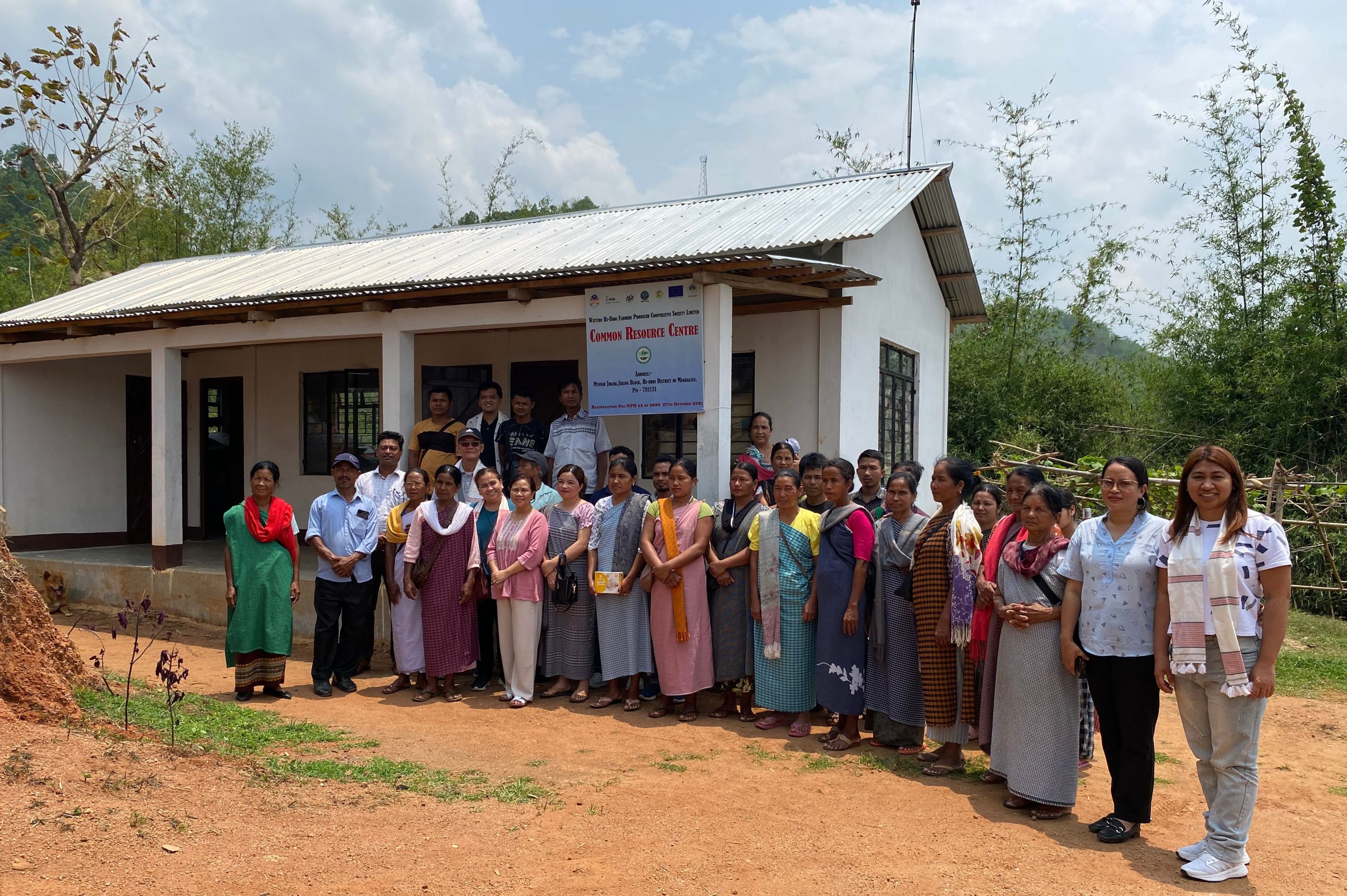
Meghalaya, India – Nestled in the scenic hills of Jirang, Western Ri-Bhoi District, a quiet transformation is taking place, driven by a determined group of smallholder farmers united under the Western Ri-Bhoi Farmer Producer Cooperative Society, a grassroots initiative that is redefining what rural success can look like.
Formed in 2020, the cooperative emerged from the Integrated Tribal Development Project, which was supported by the Northeast India Committee on Relief and Development (NEICORD) since 2015. What began with 213 farmers has now grown to 252 members, including 130 women and 73 youth.
Before organizing, farmers in the community sold their produce individually, which left them with little bargaining power and vulnerable to market fluctuations, unstable pricing, and lack of transportation options.
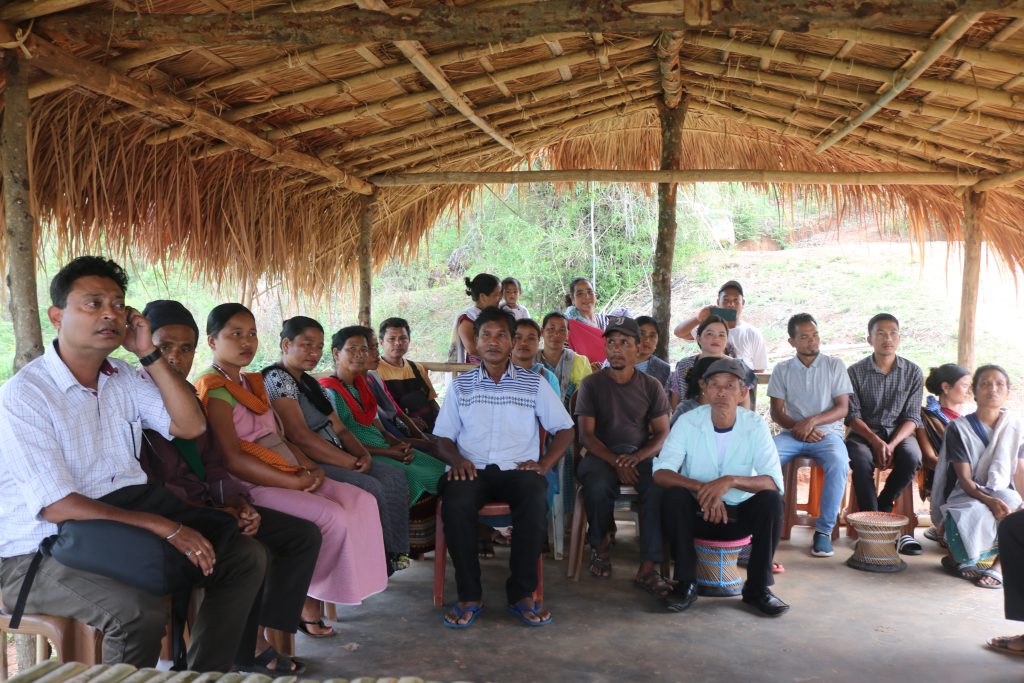
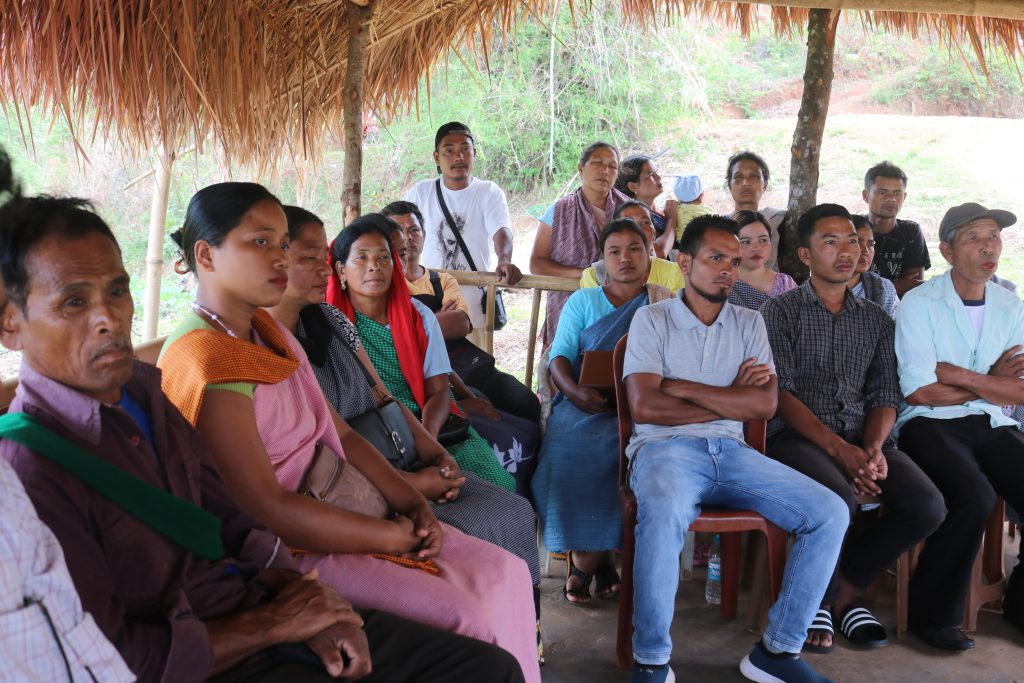
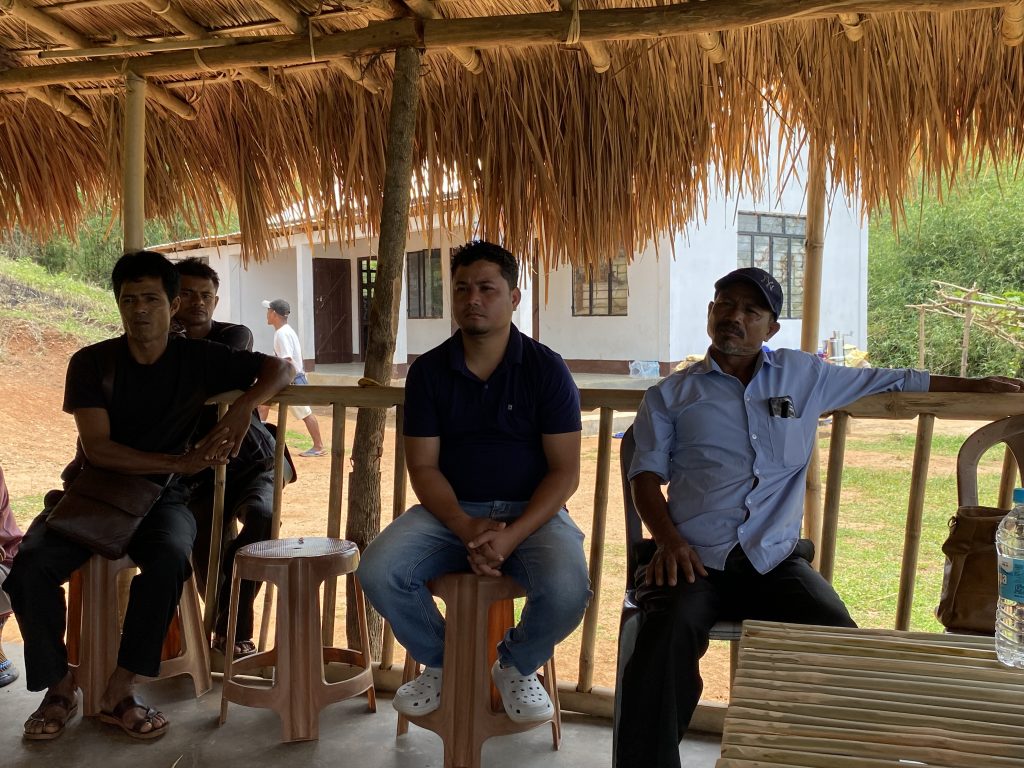
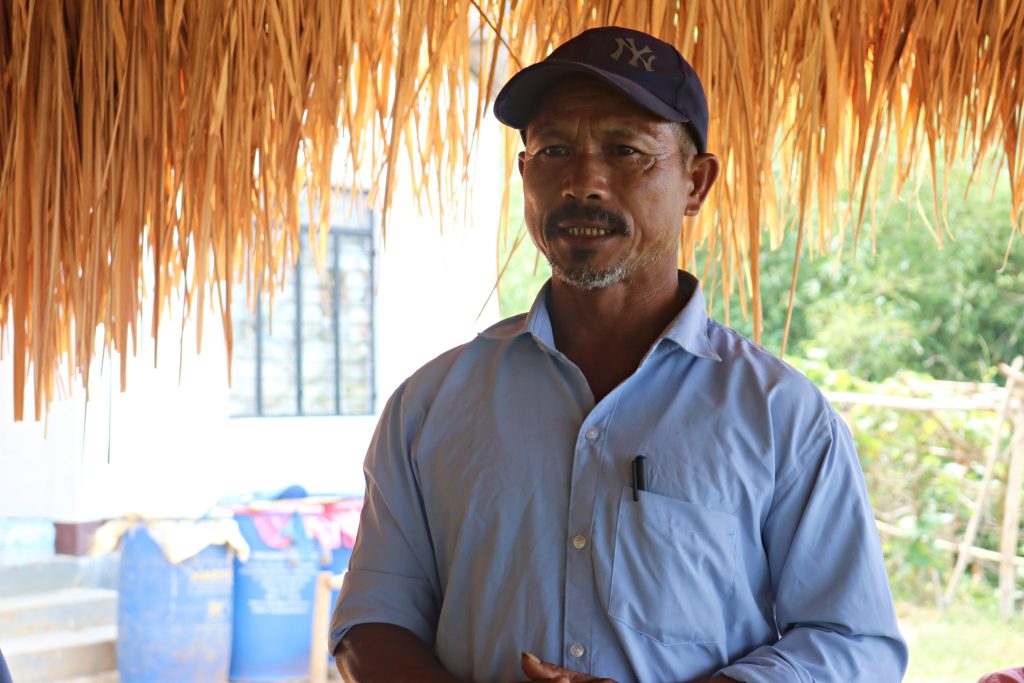
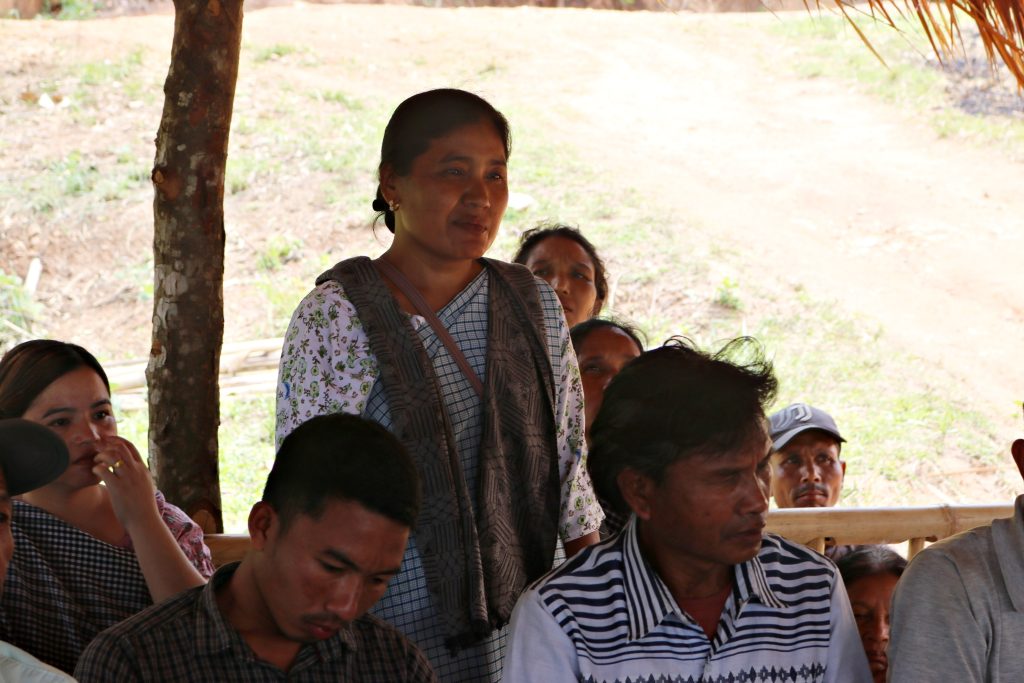
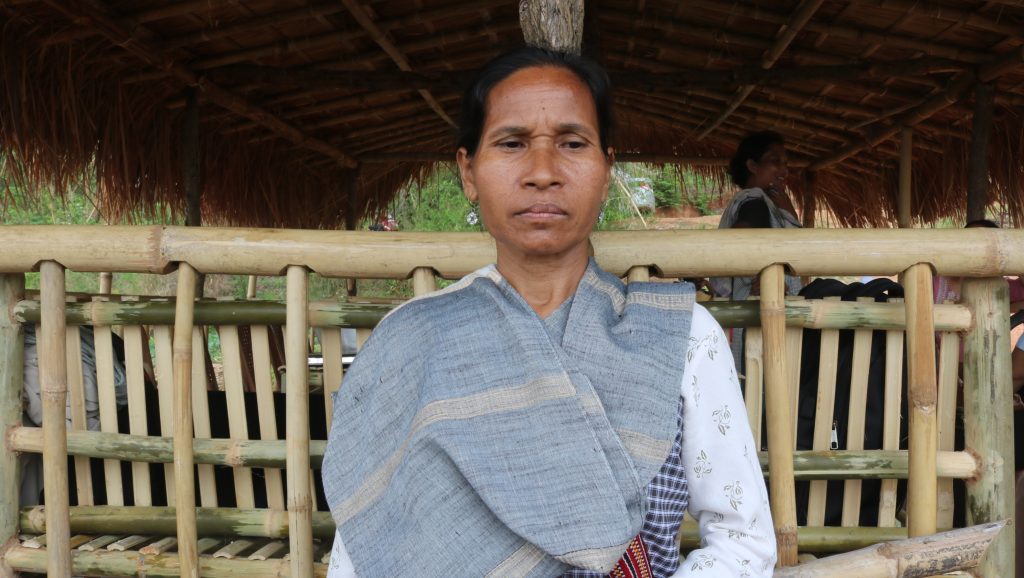
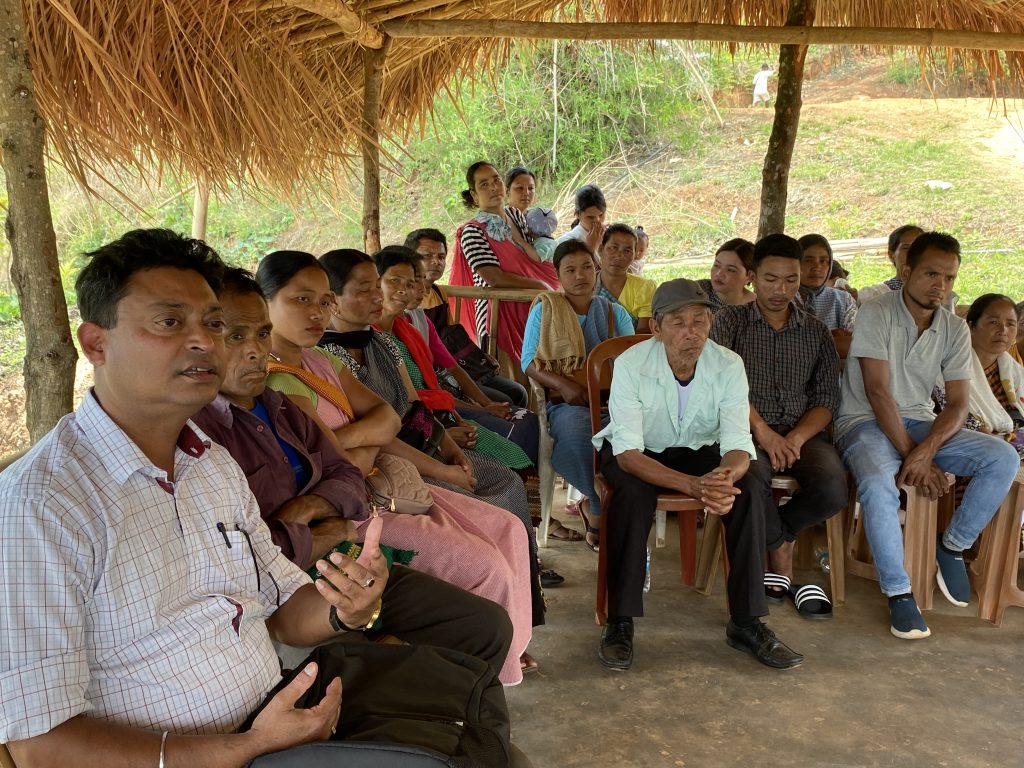
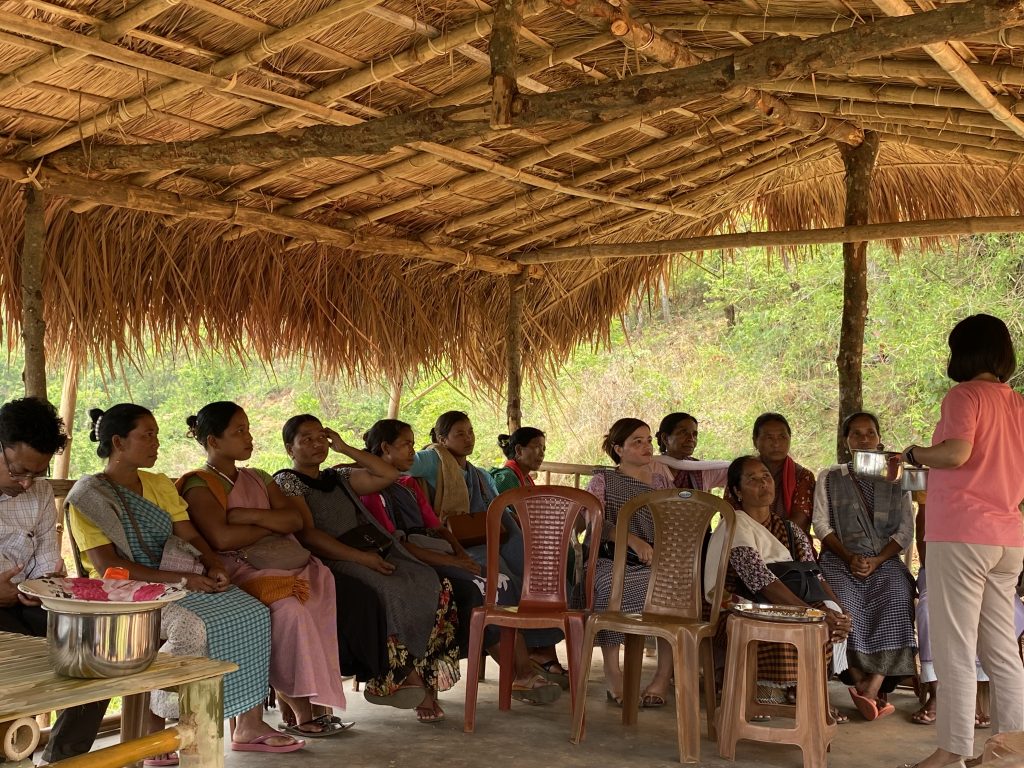
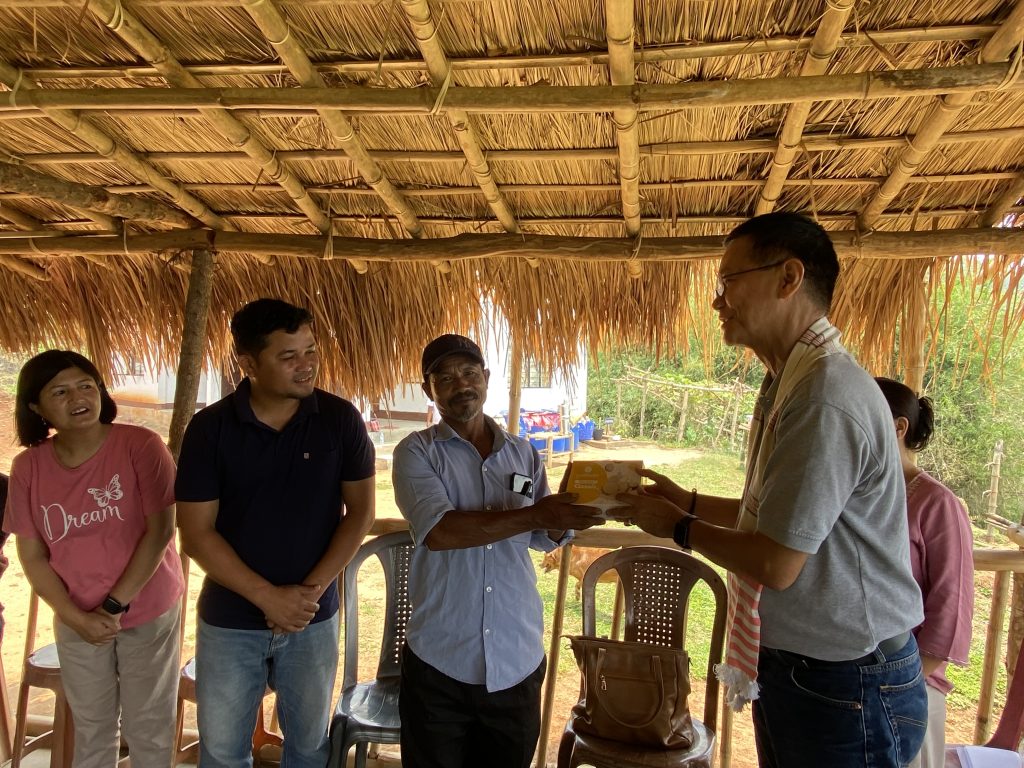
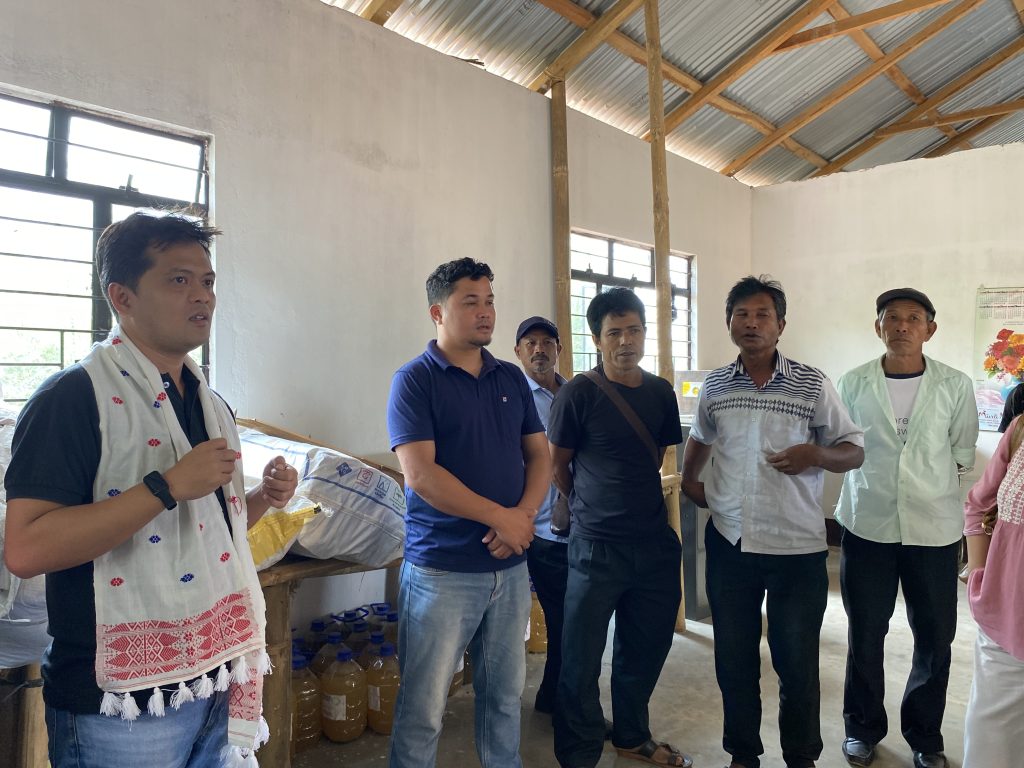
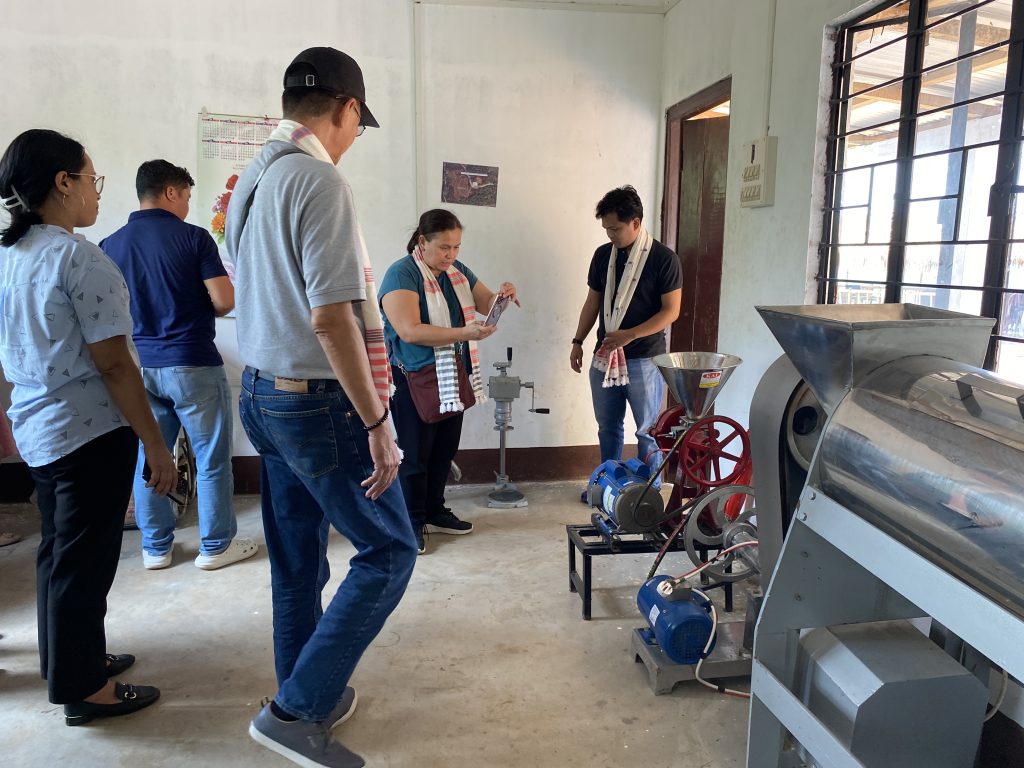
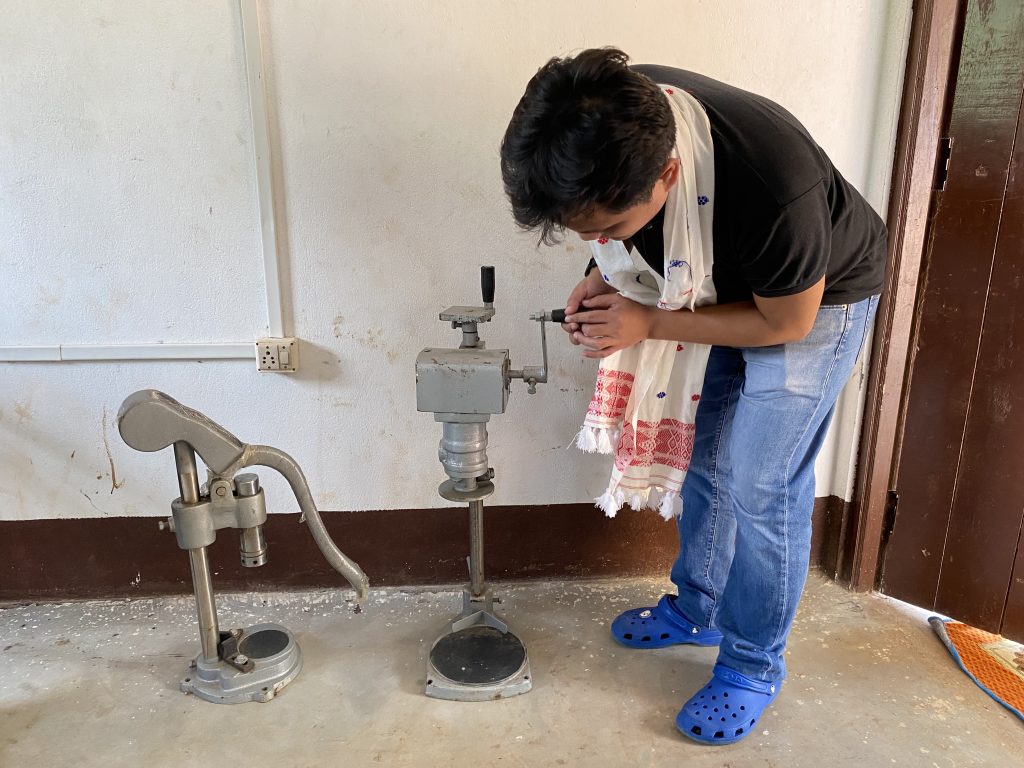
That changed with support from the Asia-Pacific Farmers’ Program (APFP) and Farmers’ Organizations for Asia (FO4A). The cooperative received funding of USD 27,287 to construct a storage and processing facility and to purchase essential tools, including a solar dryer. With land donated by its executive board, the cooperative built a Common Resource Center that serves as its office, storage hub, and post-harvest processing site. This facility has become the heart of their operations, enabling the cooperative to consolidate, store, and add value to products before selling them collectively at better prices.
Thanks to this support, the cooperative has transitioned from merely harvesting to processing and marketing a range of products, including pineapple, ginger, broomgrass, black pepper, and arecanut. One of its most successful ventures is broomgrass, which is sorted by quality and crafted into broomsticks sold to private buyers.
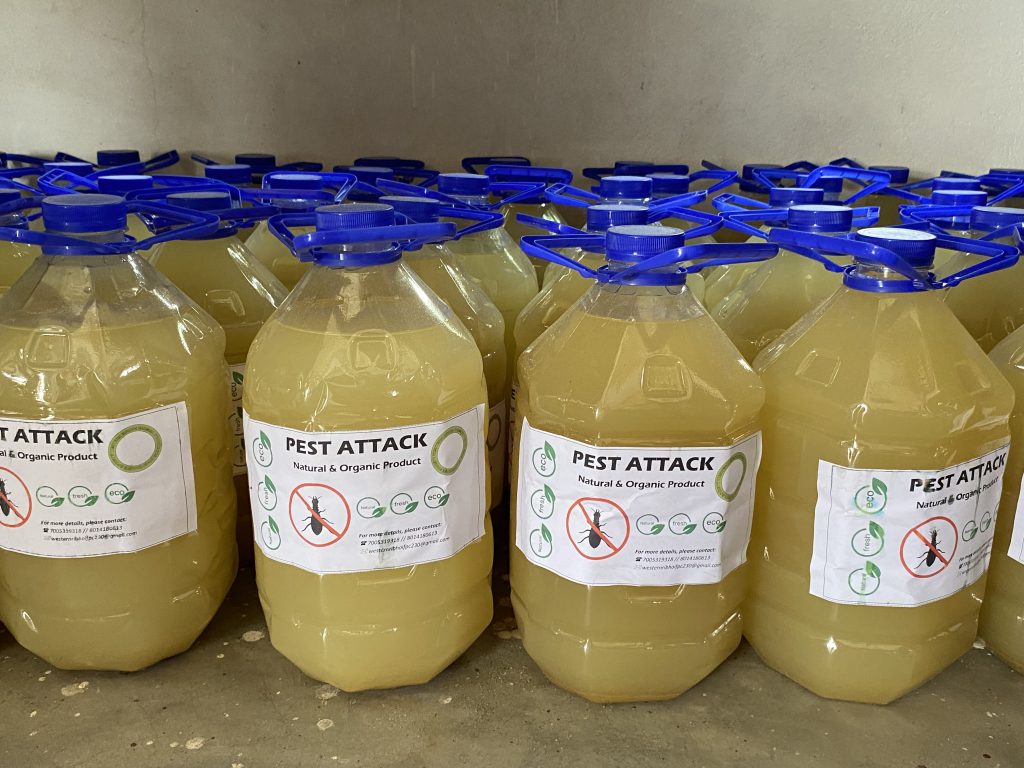
Members have also diversified into black pepper production and developed value-added pineapple products like wine and candy, enhancing income and minimizing waste. Training sessions in organic farming and pesticide production have further strengthened their green credentials.
Operating in Meghalaya, India’s first fully organic state, the cooperative has embraced organic farming as a mandate and a mission. They produce and distribute organic pesticides to their members and neighboring villages. This initiative promotes sustainable farming and also boosts the farmers’ incomes.
In addition, these efforts have gained recognition. The cooperative has partnered with buyers like AgroOrganic and signed agreements with the Meghalaya State Agriculture Marketing Board, securing stable markets and improved bargaining positions.
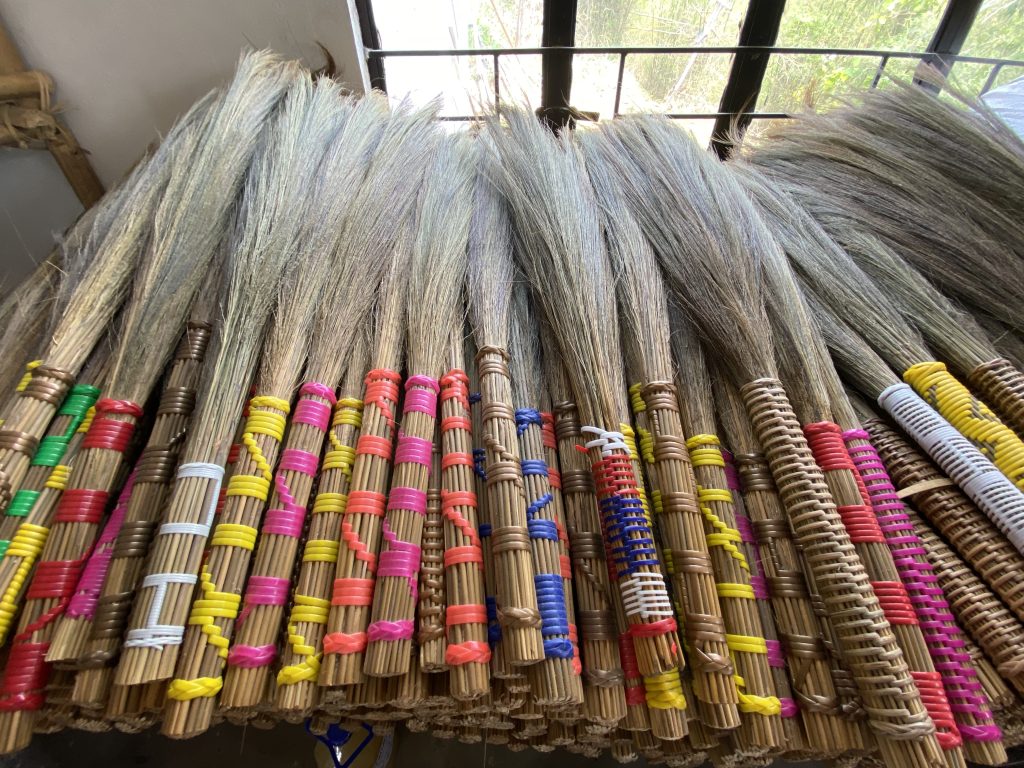
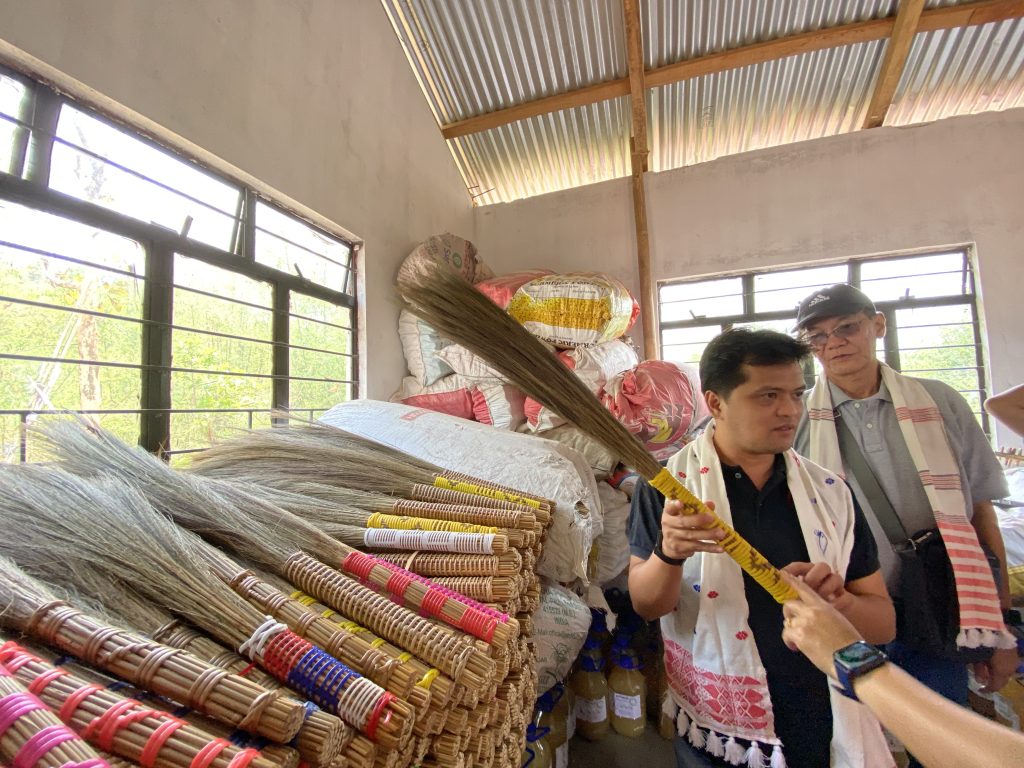
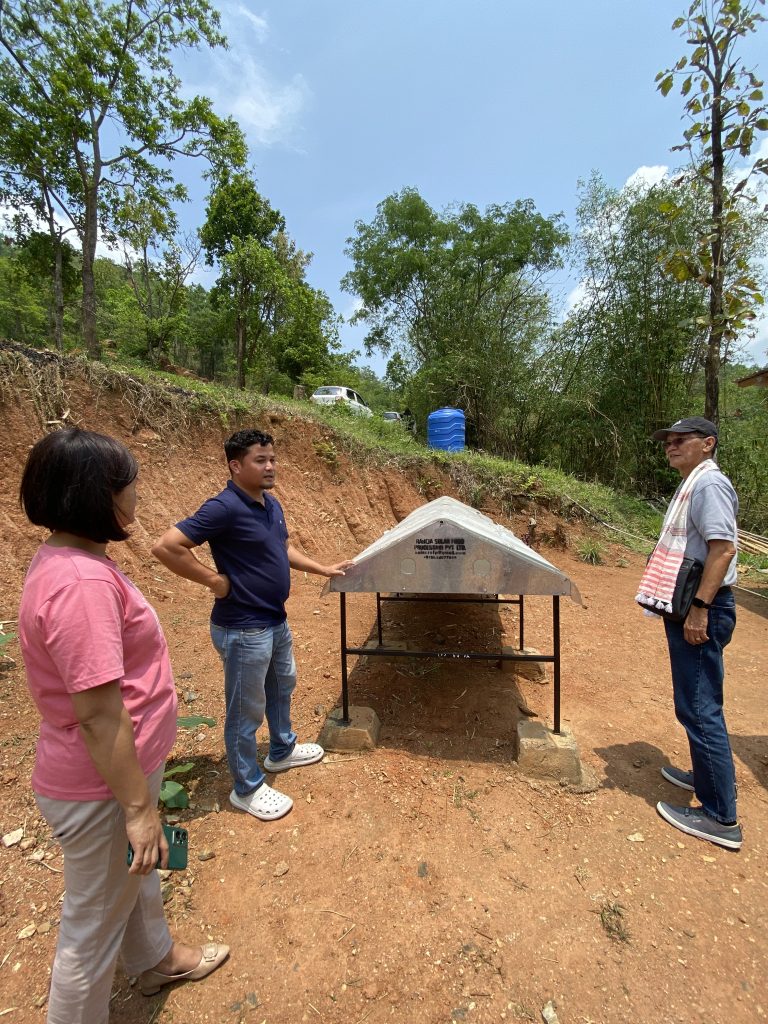
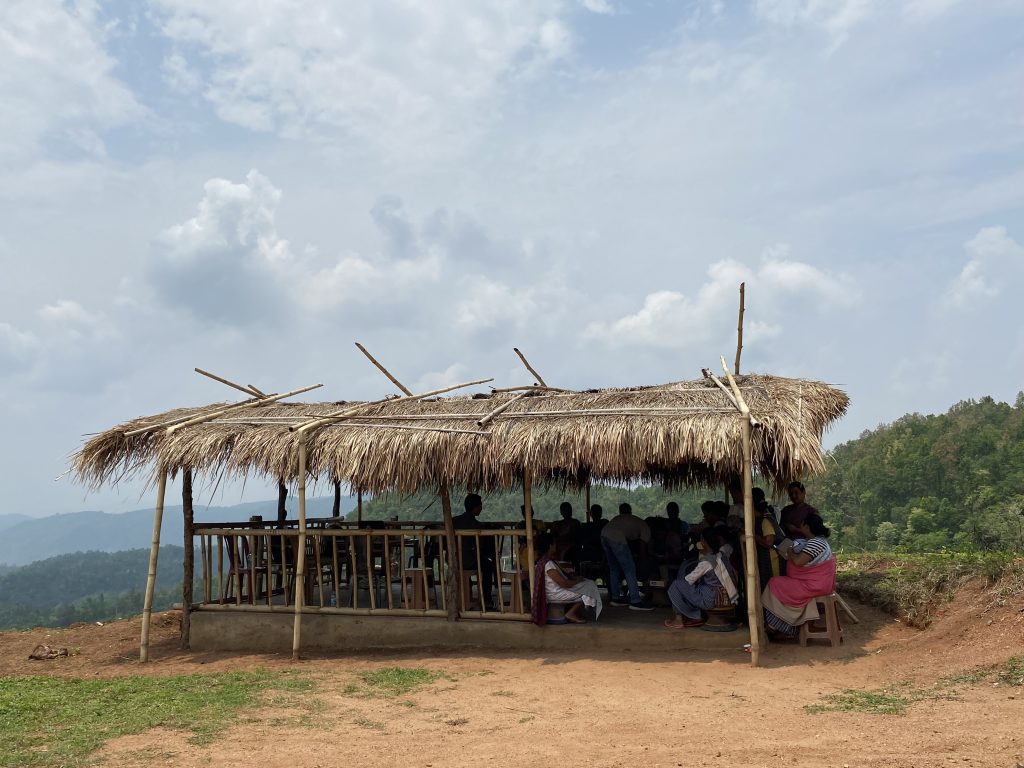
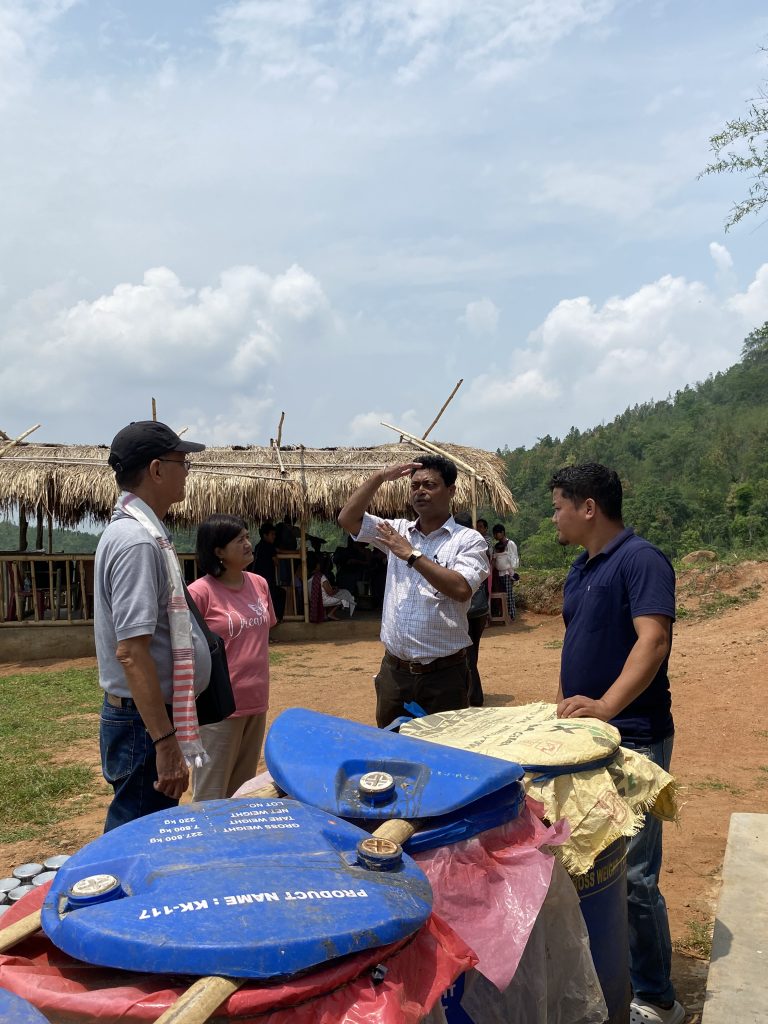
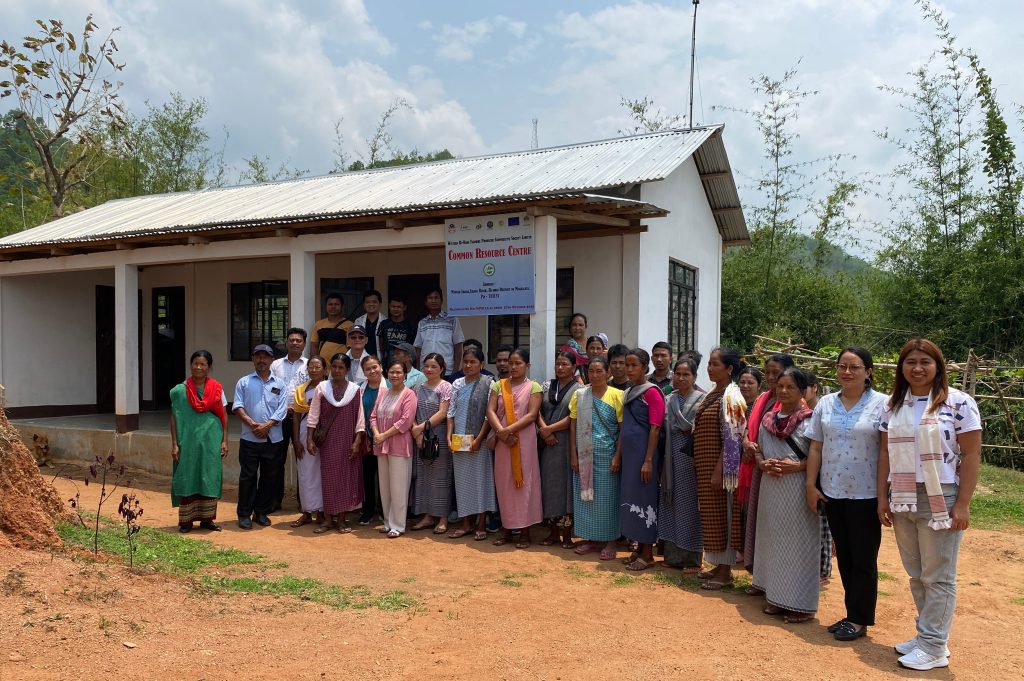
As their operations expanded, so did their access to funding and recognition. The cooperative has received:
- A subsidized solar dryer from the Department of Agriculture,
- Continued capital support from NEICORD and the Meghalaya Marketing Board,
- A growing capital base of INR 1 million (approx. USD 11,886), and
- Collateral-free loans worth INR 200,000 (USD 4,800) facilitated by NABARD.
These financial milestones reflect the growing trust in the cooperative’s capabilities and accountability. But the most profound transformation has been empowerment. Farmers who once had no voice now negotiate directly with buyers and engage meaningfully with government agencies.
“Before, traders came and dictated prices. Now, they come to the cooperative and they pay more,” said Amrosestar Jamu, the cooperative’s secretary and volunteer records officer.
Through collective marketing, strategic partnerships, and capacity-building, the members now enjoy better market access, stronger negotiation power, and timely credit, often without collateral.
Despite their progress, the cooperative still faces operational challenges, including:
- Difficulty in gathering board members from scattered villages
- Poor mobile and internet connectivity
- Absence of a dedicated full-time management team
- Persistent issues in education and healthcare for member families
However, with continued support from APFP-FO4A and local partners, the Western Ri Bhoi FPO is poised to grow even stronger.
The story of the Western Ri-Bhoi Farmer Producer Cooperative Society proves that with the right infrastructure, training, and a belief in collective action, smallholder farmers can transform their livelihoods—and their communities. From voiceless to visionary, this farmer-led initiative in Meghalaya is sowing seeds of hope and reaping the rewards of resilience. Click here to view more photos
The Asia-Pacific Farmers’ Program (APFP) – Farmers’ Organizations for Asia (FO4A) is implemented by the Asian Farmers’ Association for Sustainable Rural Development (AFA) and La Via Campesina (LVC), with funding from the European Union (EU) and the International Fund for Agricultural Development (IFAD). The program aims to strengthen the capacities of farmers’ organizations to provide economic services, advocate for enabling policies, and promote sustainable livelihoods for small-scale family farmers across Asia.